When Sparks Meet Purity: A Complete Guide to the Laser Engraver Fume Extractor
An Opening Scene: Why Clean Air Matters in the Workshop
I once stood in a small studio while a friend ran an intricate wooden inlay on a desktop laser — the room filled with a thin, sweet smoke and the smell of singed resin. The thin plume hung like a ribbon and I felt my throat tighten; it was a clear moment: you can’t ignore the air you breathe while you work. A quality laser engraver fume extractor sits between you and that ribbon of smoke, pulling away VOCs, particulate, and oil vapor so you can keep your focus. Studies and shop tests show that unfiltered laser smoke can spike VOC levels and ultrafine particles in minutes, so the risk isn’t just about comfort — it’s about health and productivity. (Yes, even small shops matter.)
Picture this: a machine that carves wood, acrylic, or leather and leaves behind a cloud of invisible chemicals. You need filtration, airflow control, and a plan. I’ve noticed many makers shrug and run a window fan. That’s brave, but not enough. The right extractor does more than move air — it traps particulates with a HEPA layer and tames odors with activated carbon. It also balances fan speed and airflow rate so the machine stays efficient and your workspace stays calm. This introduction is just a prologue; next, I’ll peel back the old fixes and show where they fail.
Why Old Fans and Ducts Don't Cut It: Hidden Flaws in Traditional Solutions
What's the real problem?
I’ve seen basic ventilation passed off as a “solution” more times than I can count. The core trouble is that most shop owners equate moving air with cleaning air — and that’s a costly mistake. A dedicated laser engraver smoke purifier targets the chemistry and size of particles produced by laser cutting. Traditional fans and open windows dilute contaminants, but they rarely remove ultrafine particles or adsorb harmful gases. You end up trading one risk for another: lower concentration here, higher exposure there. Look, it’s simpler than you think — dilution is not filtration.
From a technical angle, common flaws repeat. Single-stage filtration captures large soot but lets fine particulate through. Cheap inline fans lack stable power converters and variable fan speed control, so airflow rate fluctuates with load. Poor seals in ducts create leaks and re-circulation zones. I’ve watched shops upgrade machines but leave the old fume path in place — the cutter gets better, the extractor doesn’t. The result? More fumes burned, more pollutants released, and frustrated makers who feel like they tried everything—funny how that works, right?
Looking Ahead: New Principles and How to Judge Next-Gen Systems
What’s Next?
Now we move from pointing out flaws to choosing smarter systems. Modern designs use staged filtration: a pre-filter for large particulates, a HEPA layer for ultrafine particulate, and activated carbon or a photocatalyst for VOCs and odors. Smart control matters too — sensors monitor particle counts and trigger variable fan speed. Edge computing nodes and simple control logic keep the extractor responsive without being loud or power-hungry. A well-built laser engraver smoke purifier balances these elements and gives you measurable performance.
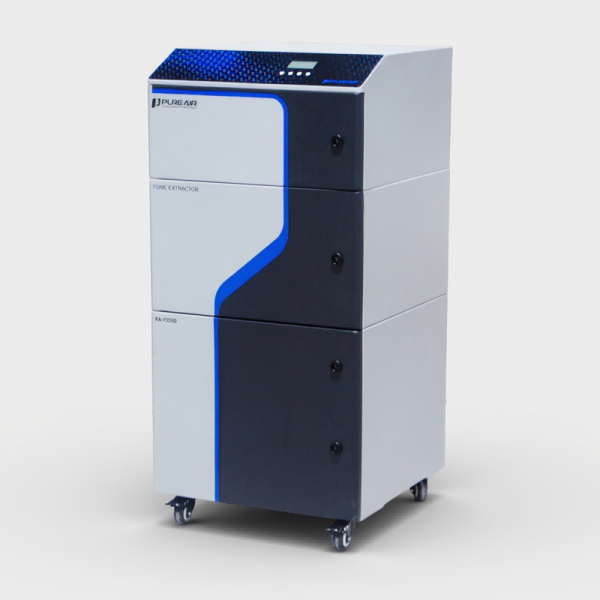 When I evaluate a new system, I look past marketing claims. Does it provide verified CADR (clean air delivery rate)? Can you see particle counts or at least a reliable airflow rate spec? Is the power system stable — no sudden surges, solid power converters — and are filters easy to replace? These practical checkpoints reveal whether a unit will last in a busy shop or fail after a month. I’m convinced that next-gen extractors will be quieter, smarter, and more efficient — and they’ll free us to focus on craft, not cleanup. — and yes, I still test each unit myself to be sure.
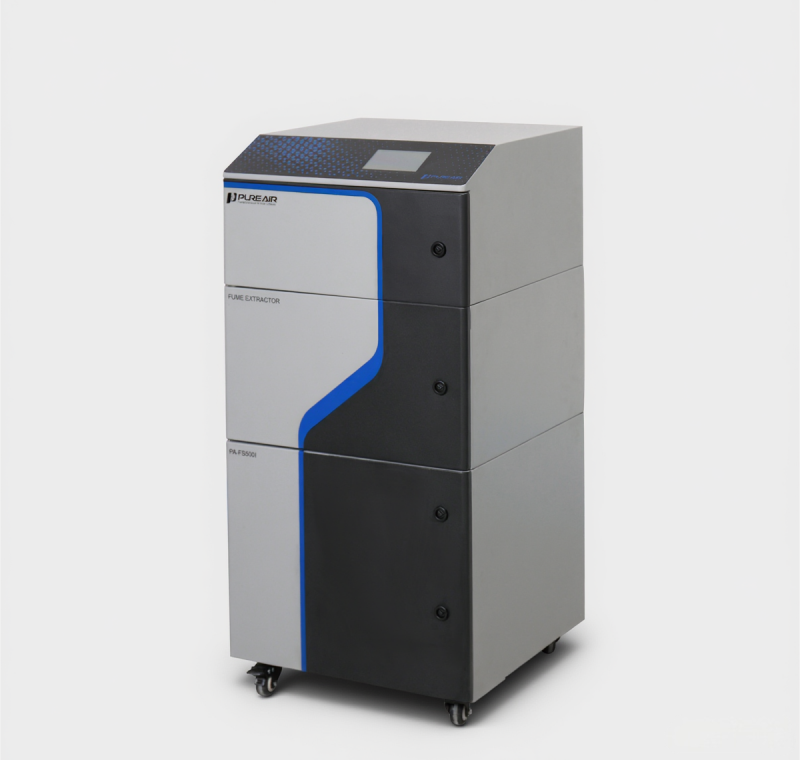
To help you choose, here are three concrete metrics I use: 1) Measured CADR for particulate and VOC removal; 2) Noise level at working fan speed; 3) Total cost of ownership including filter life and power draw. Use those to compare models and make decisions that hold up over time. For me, brands that back their specs and offer clear filtration stages earn trust — like systems from PURE-AIR.