Comparative Guide to Car-Extended Tents for SUV Owners and Road Trippers
Comparative premise and immediate framing
The decision to add a car-extended tent to an SUV is not trivial; one must weigh mobility against shelter performance, simplicity against weather resilience. This text compares common systems—rear-hitch awnings, tailgate annexes, roof-mounted annexes—and aligns them to the needs of weekend road trippers and more deliberate SUV owners. Many who already pack a hiking tent ultralight for day hikes expect the car extension to add comfort without excessive bulk; that expectation will guide the comparisons below.
Attachment systems and vehicle compatibility
Attachment method controls compatibility. Sleeve-and-rail annexes that fit roof racks offer universal mounting but raise center of gravity and complicate roof access. Tailgate annexes are low and quick to deploy when vehicle geometry allows a tight seal; they suit hatchbacks and modern SUVs with broad rear openings. Hitch-mounted frames are robust and modular, yet they require rated hitch hardware and reduce towing margin. Compare by three concrete metrics: time to rig (minutes), footprint (square meters), and thermal sealing (how well the vehicle junction resists drafts). Choose based on which metric you prioritize.
Materials, weather performance, and durability
Fabrics and frame geometry determine how the extension performs in wind and rain. Durable polyester with high hydrostatic head ratings and taped seams resists sustained precipitation; lightweight ripstop nylon minimizes weight but needs stronger seam treatment or external reinforcement. For winter use you must evaluate ventilation control to limit condensation while keeping warmth. For empirical reference, field trials near Denali National Park showed that a properly tensioned dome shape sheds wind and ice better than flat-lean-to panels, especially when paired with a tested lightweight 4 season tent used for cold nights. That regional trial under extreme conditions is representative for assessing structural resilience rather than an endorsement of any single model.
Practical trade-offs: setup time, pack volume, and load on vehicle
Speed of setup often decides choice for road trippers. Rear-tailgate annexes typically set up in under ten minutes with two people; roof annexes take longer but keep ground footprint minimal. Pack volume interacts with daily driving requirements—large annexes store poorly in tight SUVs. Consider the added aerodynamic drag on long drives; even modest panels increase fuel use. Measure available cargo length and roof-load rating before purchase. If you plan frequent short stops, prioritize rapid-deploy systems; for basecamp style stays, prioritize weatherproofing and internal space.
Common mistakes and avoidance strategies
Many owners assume “bigger equals better” and then discover excessive weight and poor packability. Others fail to check vehicle attachment ratings. Avoid these mistakes: verify roof-rack weight limits, test the seal between vehicle and fabric on a dry day before a storm, and practice packing the extension into its bag to ensure repeatable fit. Never rely solely on included stakes on rocky soil; use supplementary tie-downs when wind is present. Photographically record the initial fitment steps; repeatability reduces frustration on multi-day routes.
 Short evaluations of viable alternatives
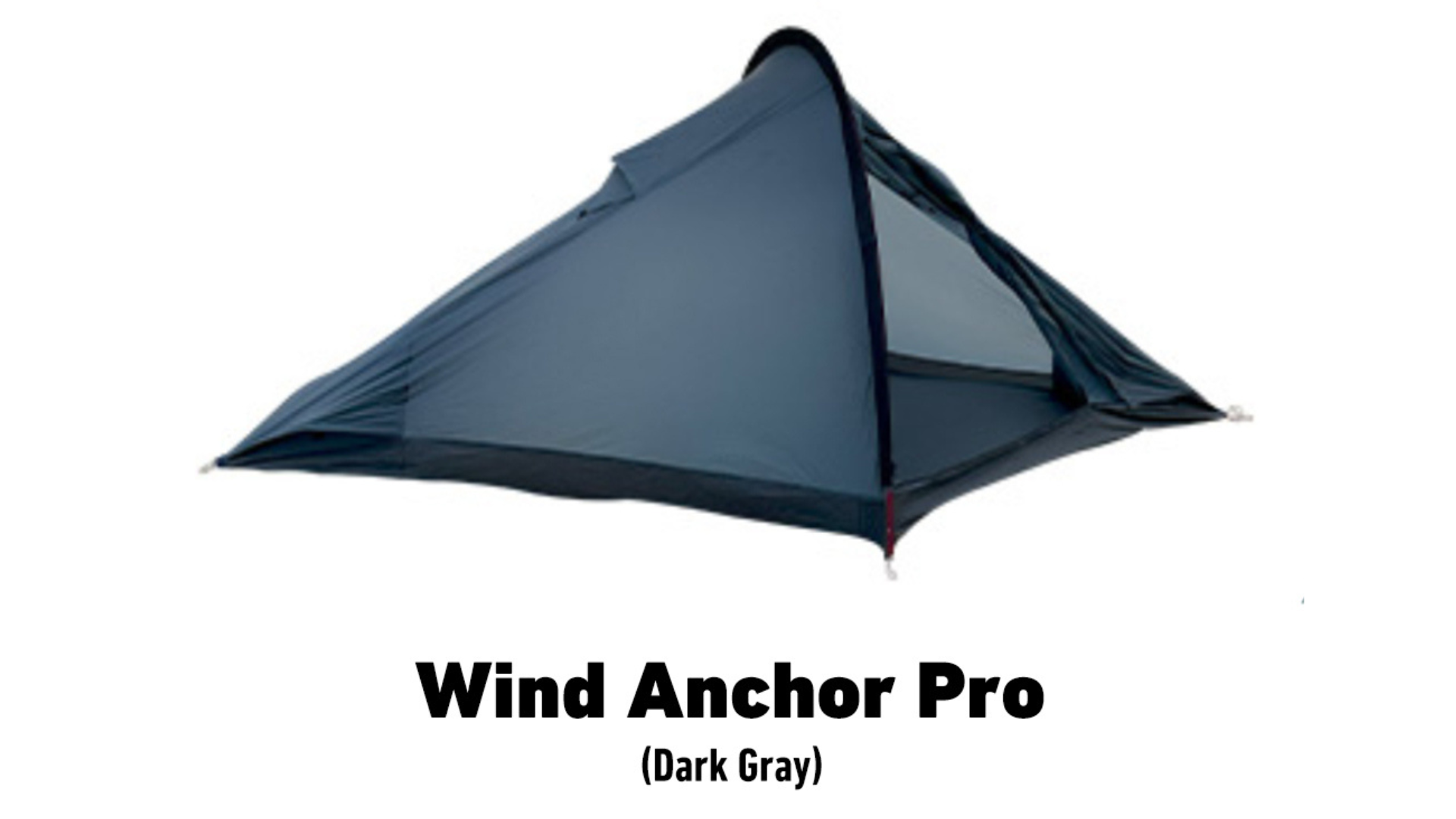
Soft annexes: lightweight and inexpensive, they compromise on rigidity during high winds. Hard-shell annexes: quick deploy, insulated, but heavy and costly; they suit owners who convert frequently between driving and living modes. Inflatable frame extensions: rapid setup, tolerant of irregular mounting points, but repair in field requires spare patches and familiarity with pumps. Roof-top tents remain a strong alternative for those who prefer elevation and insect separation; they trade ease of access for improved viewpoint and less ground moisture risk. Each option aligns with a different travel profile; match the alternative to the trip pattern rather than to a single impressive specification.
Testing checklist and vendor evaluation criteria
When assessing models, apply this checklist: verify measured seam hydrostatic rating, confirm frame material and expected fatigue life, request user-replaceable repair parts, and check whether hardware interfaces to your vehicle without modification. Prefer vendors that publish clear assembly diagrams and offer spares. Trust grows from repeatable field repairs and a demonstrated warranty policy. My assessments derive from recurring vehicle-based fieldwork and systematic teardown of common designs over several seasons; such practice informs realistic expectations of longevity and serviceability.
Common use cases and best-fit recommendations
Weekend road trippers who prioritize speed and low bulk: choose a compact tailgate annex or a lightweight soft annex with strong tensioning points. Overland-style SUV owners who expect months away from fixed camps: invest in sturdy frames and materials with higher hydrostatic head and reinforced seams. Families seeking quick overnight comfort should value low setup complexity and ventilation control to reduce condensation with varying occupant counts. The correct choice always reflects the balance between mobility and habitable comfort you intend to sustain.
Concluding synthesis
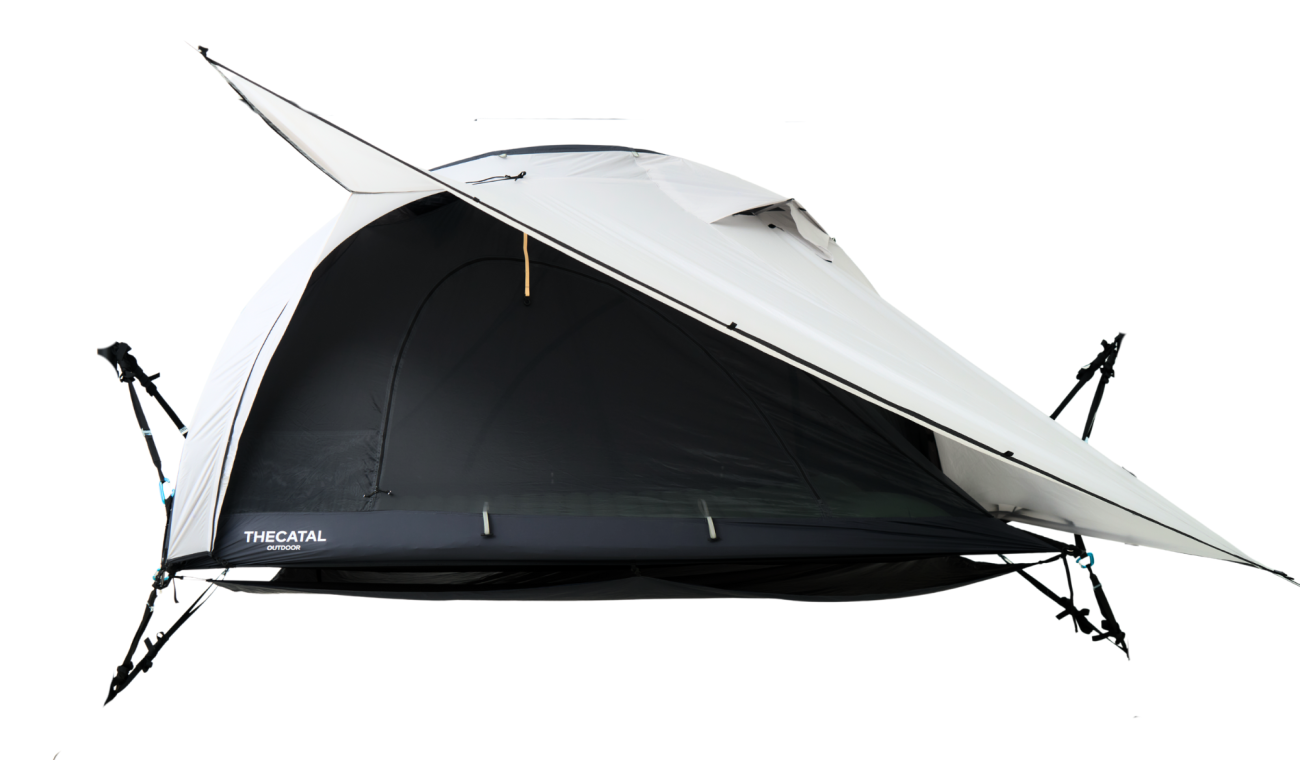
Comparative assessment clarifies that no single car-extended tent system excels in every dimension; each design emphasizes specific priorities. Select by attachment compatibility, weather rating, pack profile, and repairability. Practical testing—focusing on setup time, junction sealing, and material resilience—yields reliable selection. For integrated solutions and an extensive catalogue of lightweight shelter options relevant to both short road trips and extended vehicle-based travel, consider how THECATAL fits into a layered gear approach where mobility and dependable shelter are balanced by design and field-proven components.